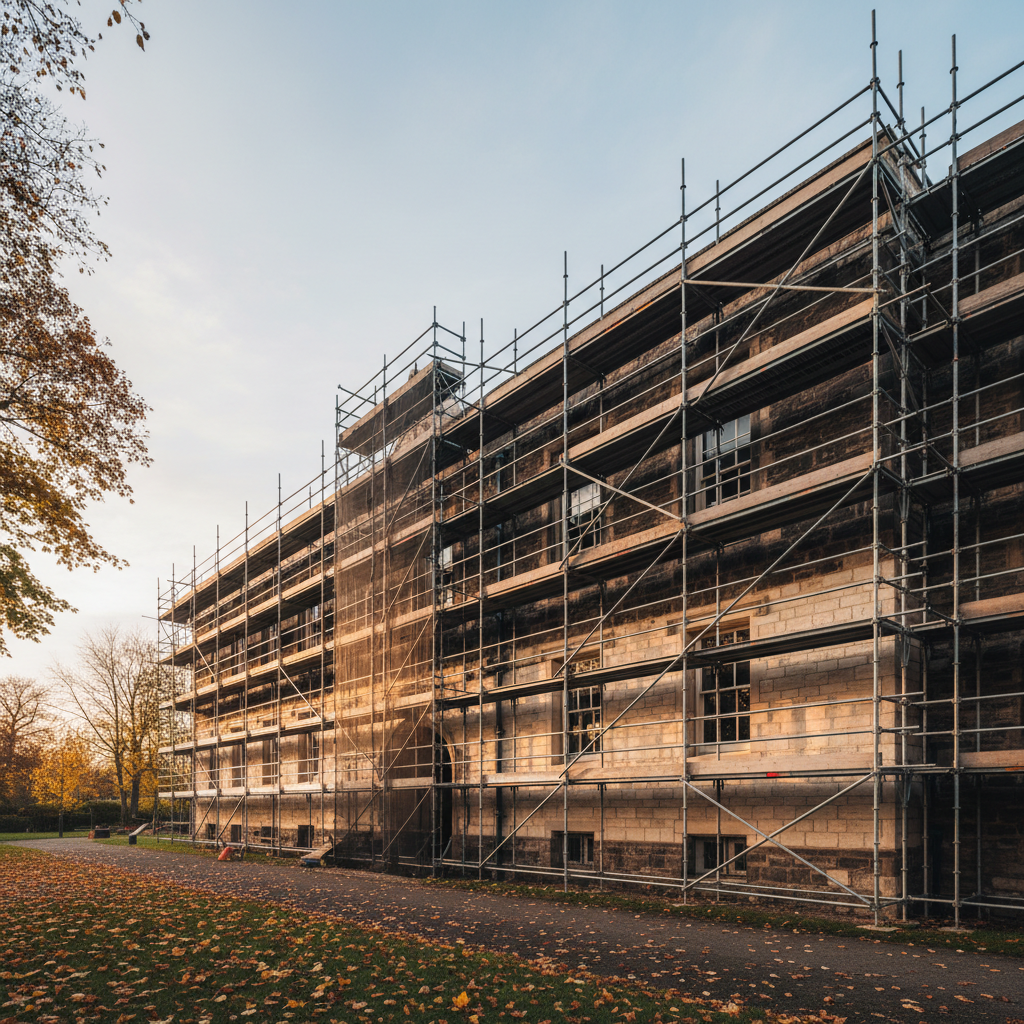
Partially scaffolded historic stone building at golden hour, freshly repointed ashlar catching low autumn light
Heritage & Conservation Architecture · Est. 2008

Every building has a diagnosis
before it has a design.

We trace lime mortar joints, map cracked crown glass, and date hand-adzed oak beams — then write the next chapter without erasing a word.

Heritage Project Estimator

Understand your project
before the first phone call.

Select your building type, listing grade, and intended scope. We return a ballpark fee range, the consents you will need, and a realistic timeline — no obligation required.

50 m²1,500 m²3,000 m²

Your estimate

Complete the selections on the left to see your indicative fee range, required consents, and timeline.

Selected Projects

Three centuries of fabric,
extended by another.

Each project is annotated with the specific conservation philosophy applied — because method matters as much as outcome.

Grade IWiltshire·14 months·Faculty · Historic England · LBC

St. Margaret's Parish Church

Nave roof reconstruction & lime render reinstatement
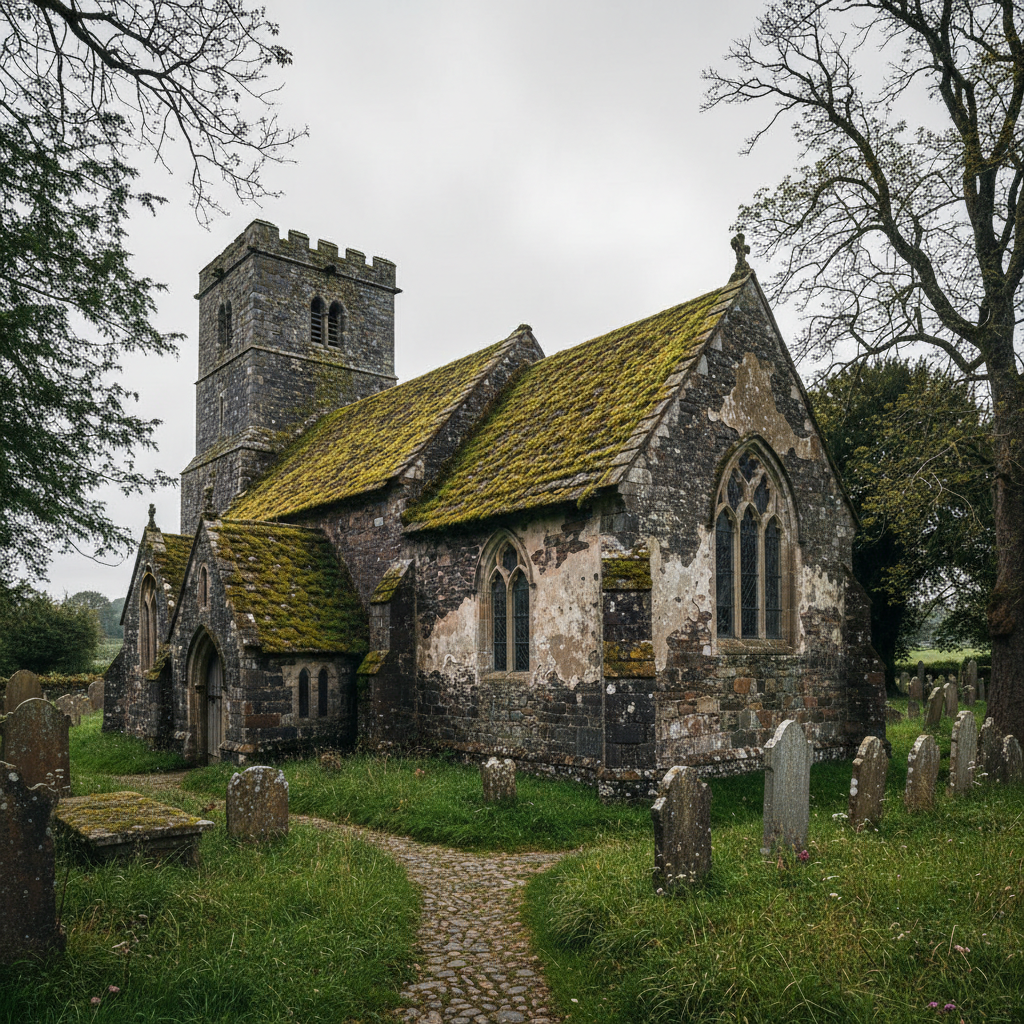
Medieval stone church with failed render patches and moss-covered roof tiles showing water damage
Before
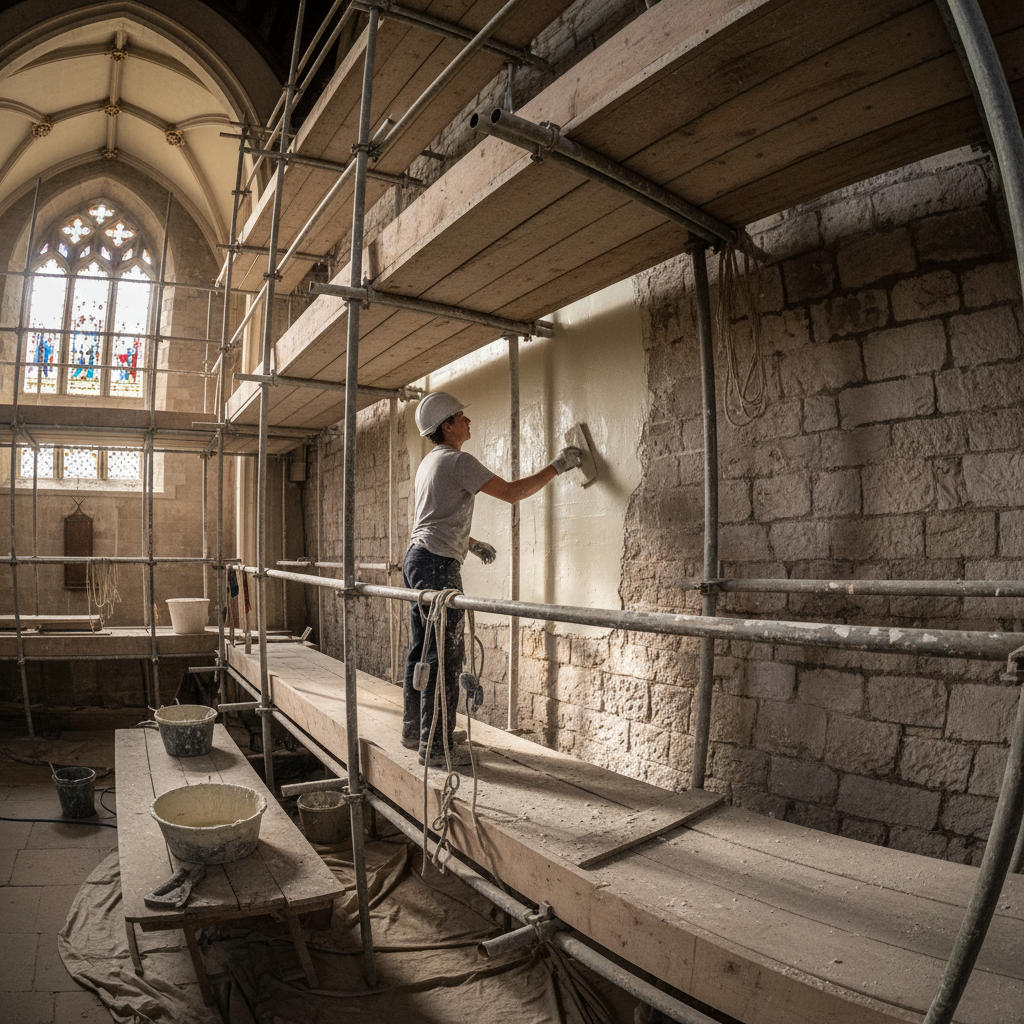
Scaffold erected around church nave, conservator applying lime render by hand to cleaned ashlar
During
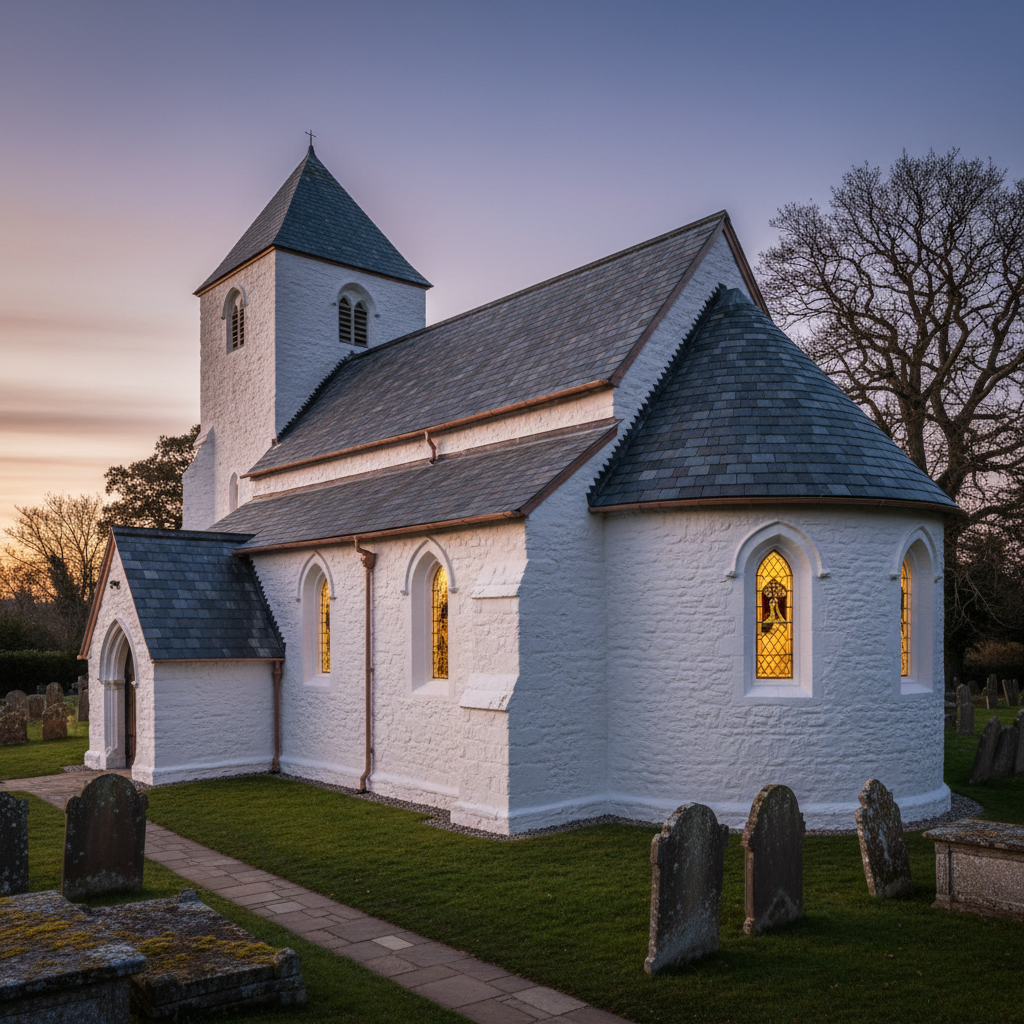
Restored medieval church with clean lime-washed render, intact slate roof, and clear gutters at dusk
After
Conservation Philosophy

Minimal Intervention

Method

All failed render was mapped and sampled before removal. New lime work matched original Hot Lime specification from 1742 datestone evidence.

Outcome

Nave now weathertight for the first time in 40 years. Faculty granted in 8 weeks. Parish avoided urgent works notice.

Grade II*Bath·9 months·LBC · Bath & NE Somerset LPA

No. 14 Queen Square

Sash window restoration & Bath stone façade repair

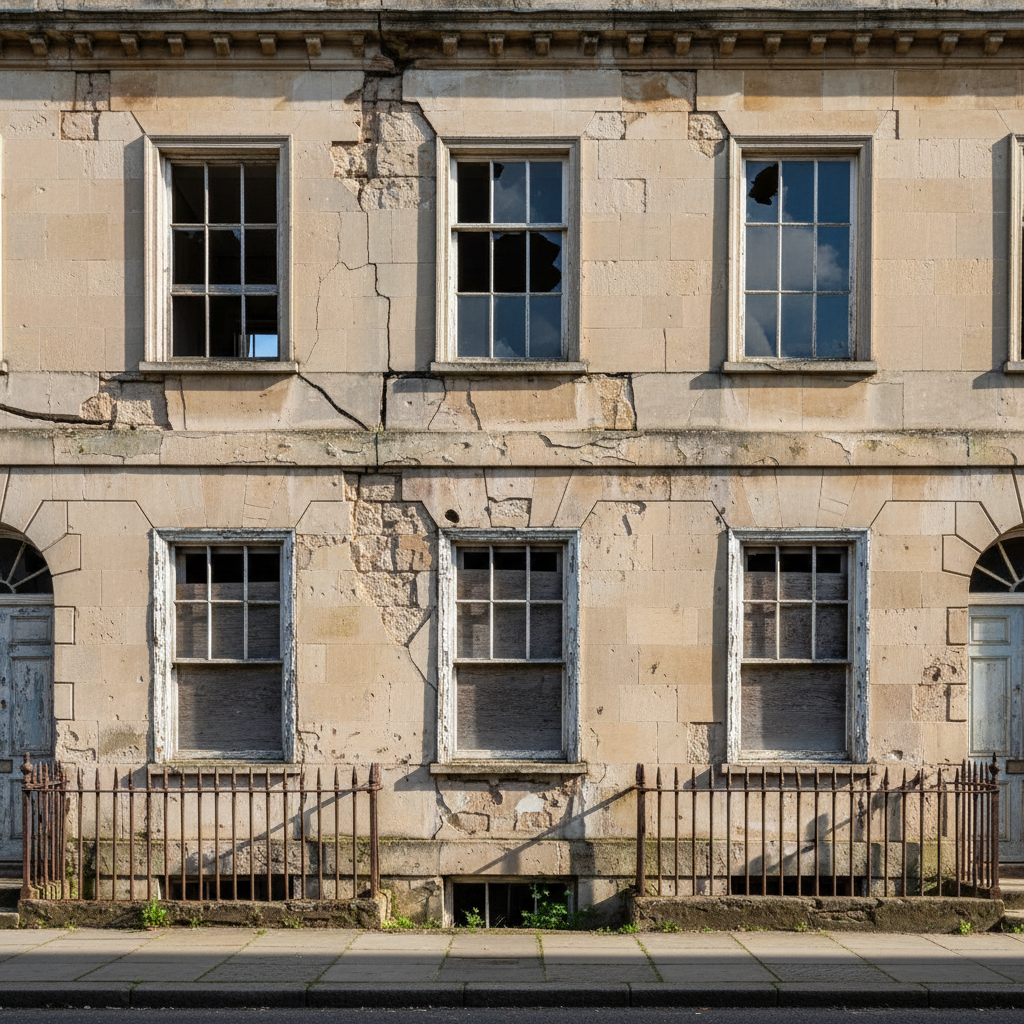
Georgian Bath stone townhouse facade with cracked masonry, failing sash windows and peeling paintwork
Before
Craftsman working on Georgian sash window frame with traditional hand tools in conservation workshop
During
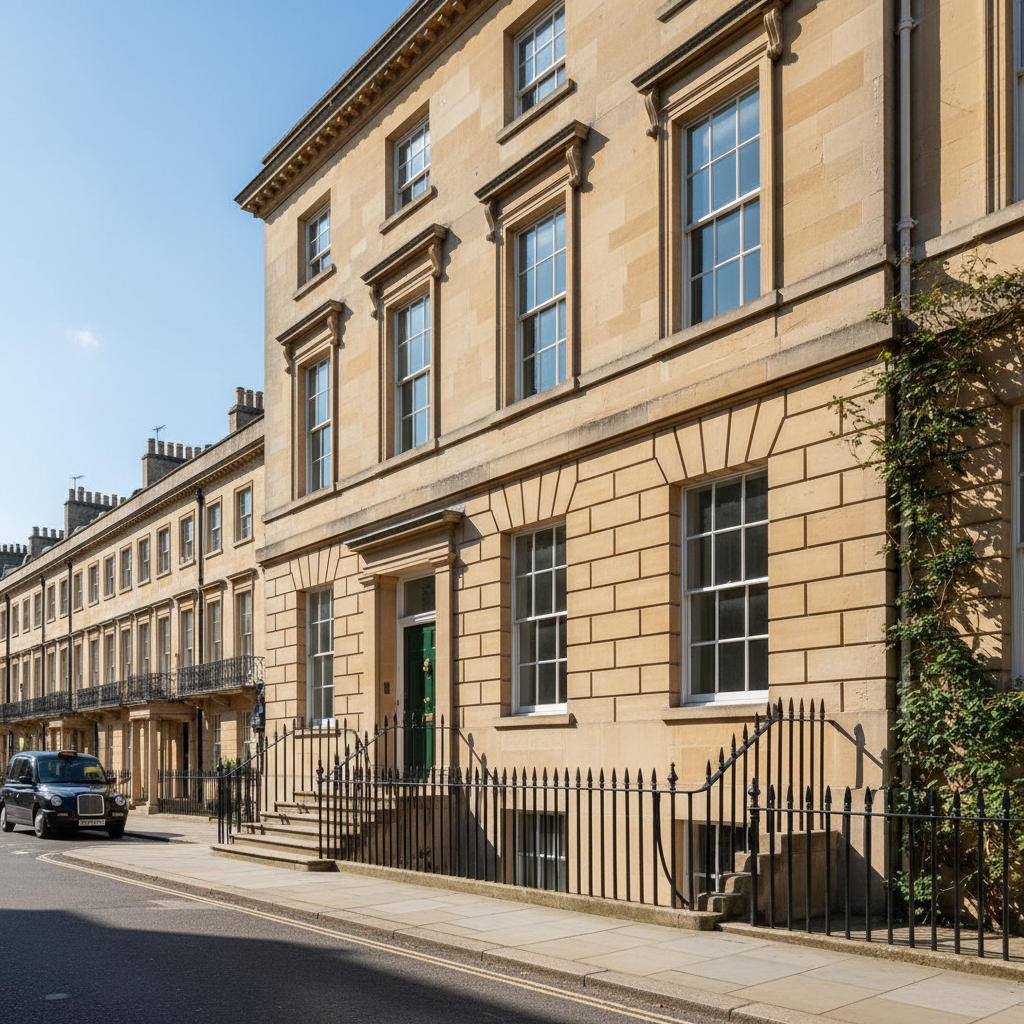
Restored Georgian townhouse with repaired Bath stone facade, freshly painted sash windows and clean ashlar
After
Conservation Philosophy

Like-for-Like Repair

Method

All 22 sash windows retained and repaired using traditional joinery methods. Crown glass sourced from the only remaining UK manufacturer.

Outcome

Enforcement notice discharged. All original glass retained. Property value protected and thermal performance improved by 38%.

Grade IHerefordshire·26 months·LBC · Historic England · Conservation Management Plan

Ashford Park Estate

Structural stabilisation & Conservation Management Plan

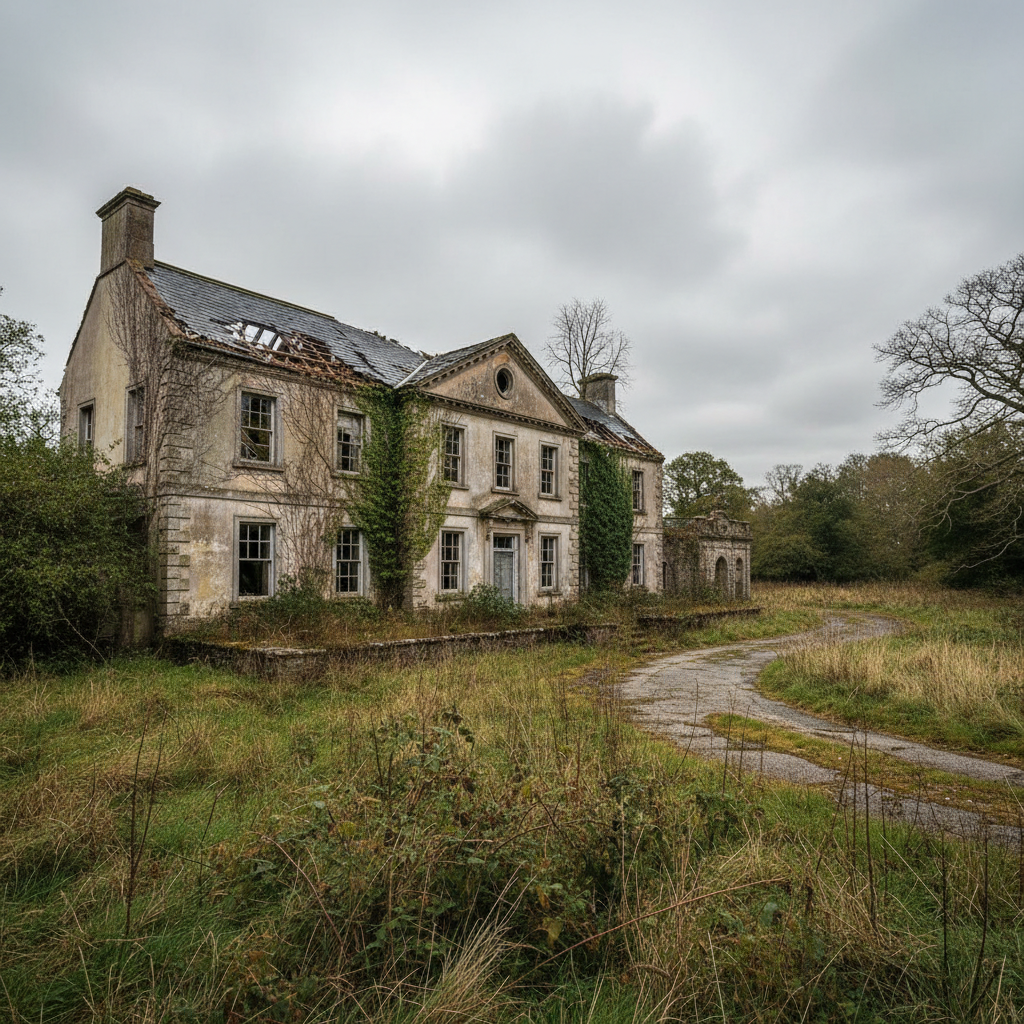
Derelict Georgian country house with failing parapet, collapsed section of roof and overgrown grounds
Before
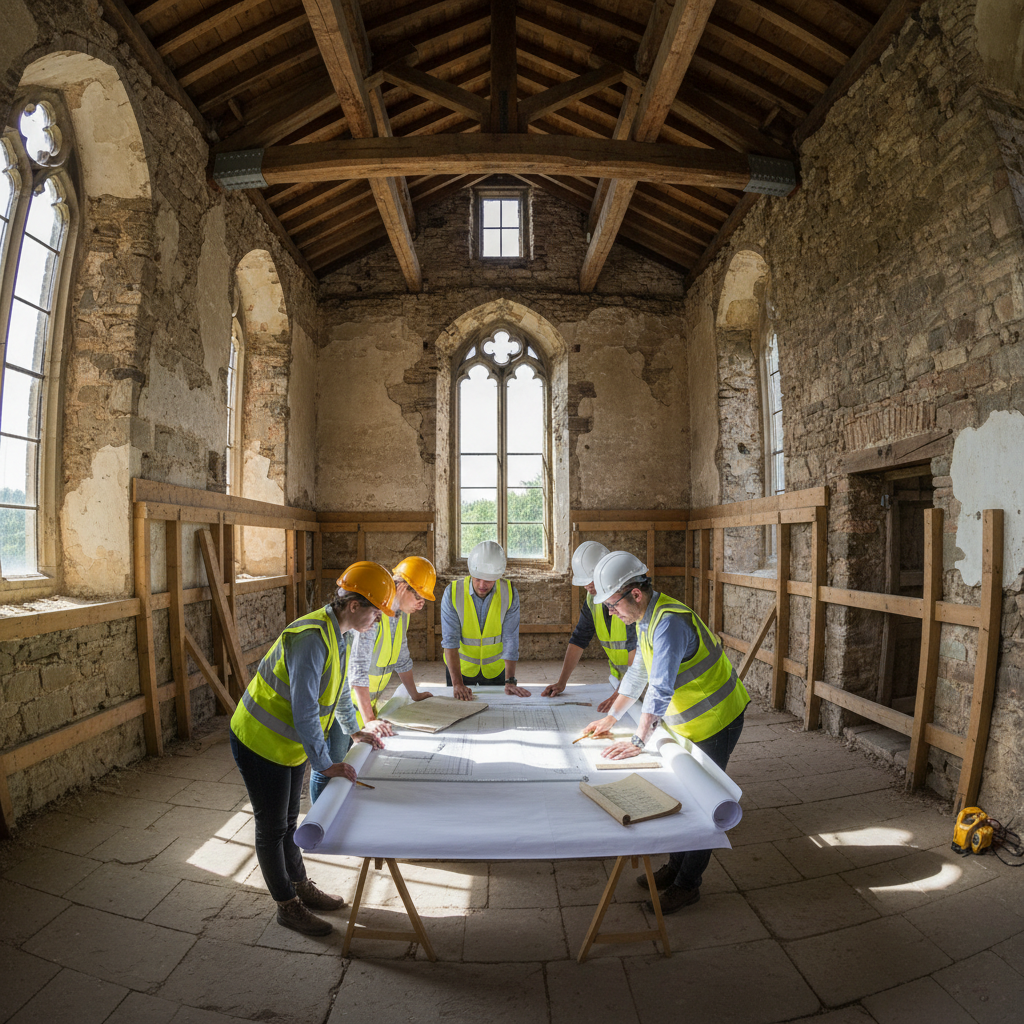
Structural engineers and conservators reviewing measured drawings inside partially stabilised country house
During
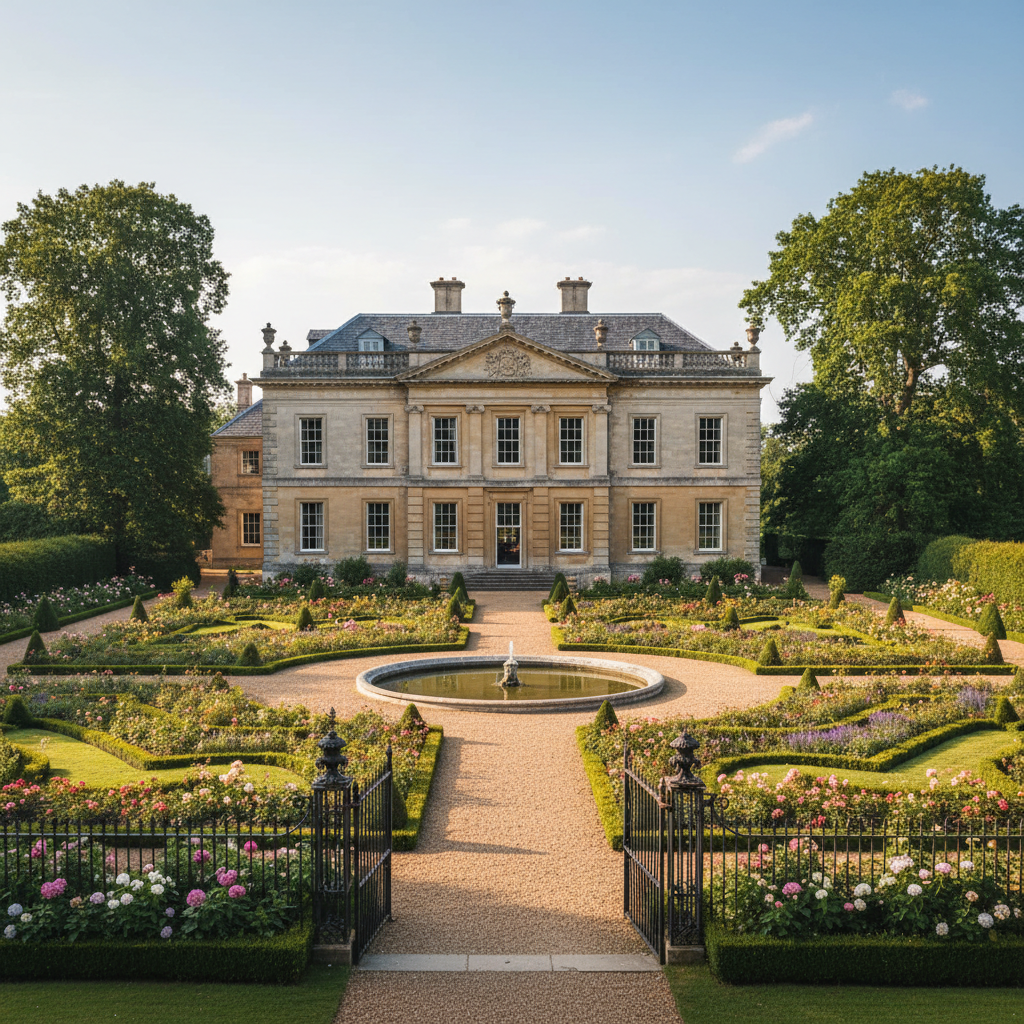
Stabilised Georgian country house with repaired parapet and roof, surrounded by restored formal gardens
After
Conservation Philosophy

Reversibility

Method

All structural interventions designed to be reversible. No chemical consolidants used. Stainless steel ties concealed within original mortar joints.

Outcome

At-risk status removed from Heritage at Risk Register. Estate trust now has a 25-year phased repair programme with pre-agreed consent framework.

Our Approach

From diagnosis to craft
to lasting stewardship.

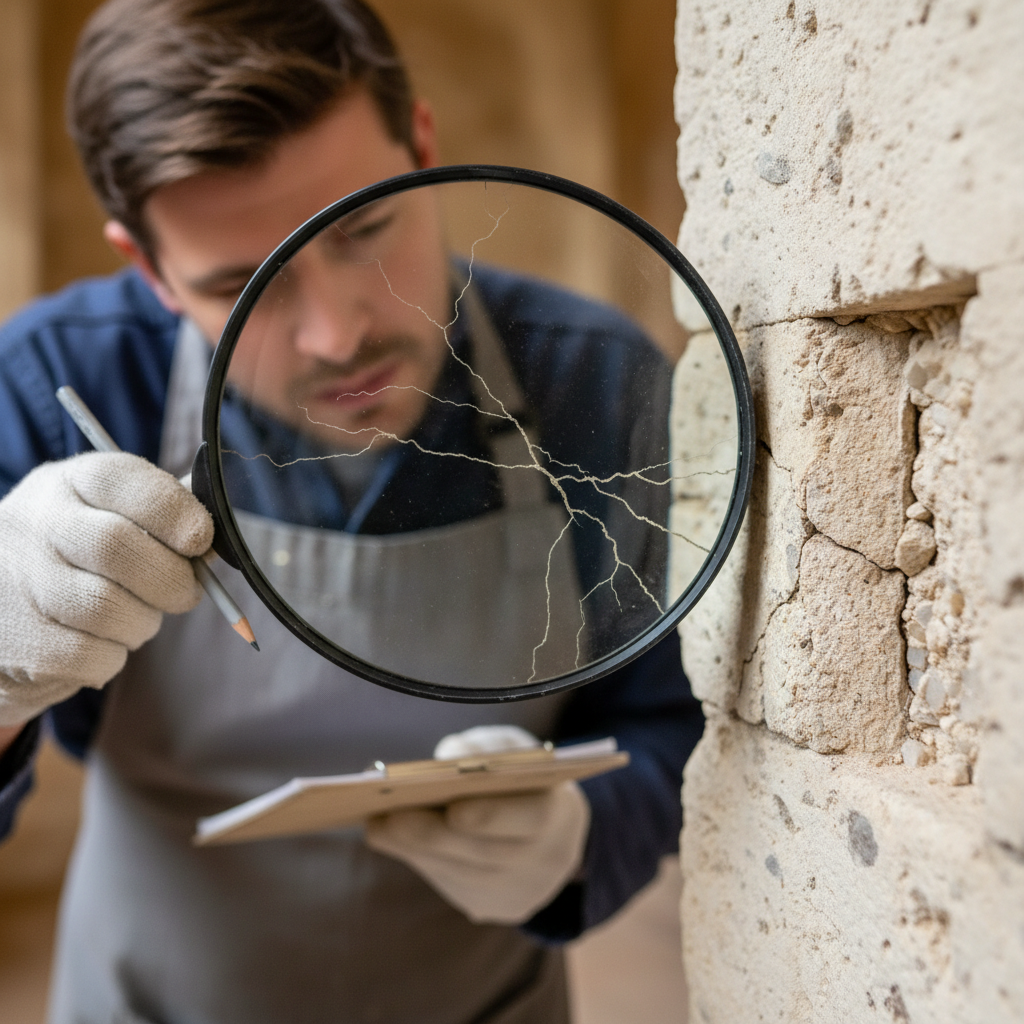
Conservator examining lime mortar joint with magnifying glass, noting hairline cracks in ashlar stonework
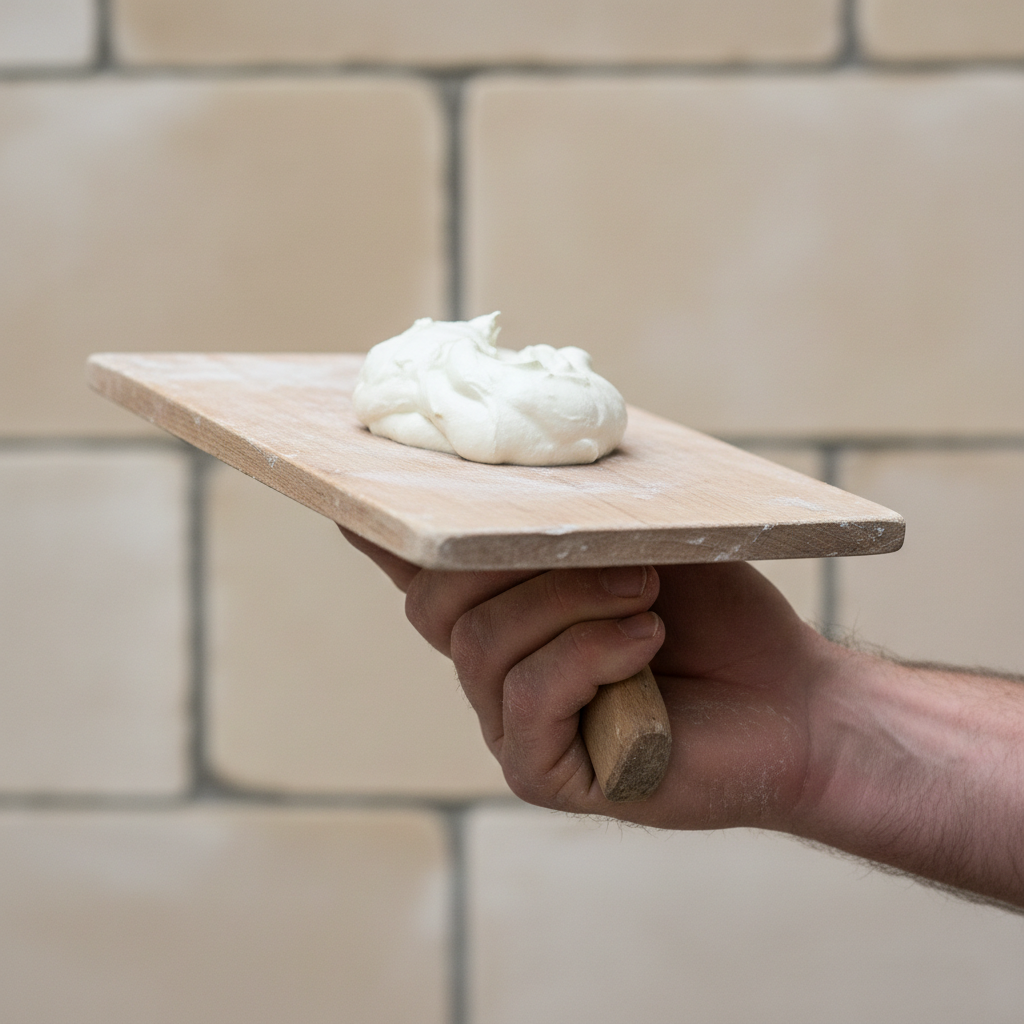
Close-up of conservator hand holding lime putty hawk against freshly cleaned ashlar stone
Diagnosis

We read buildings before we prescribe.

A crack in an elevation tells a story about settlement, drainage, or differential movement across centuries. We interpret that story before a single specification is written.

Every commission begins with a Condition Survey — a measured, photographed, and annotated record of everything the building is telling us.

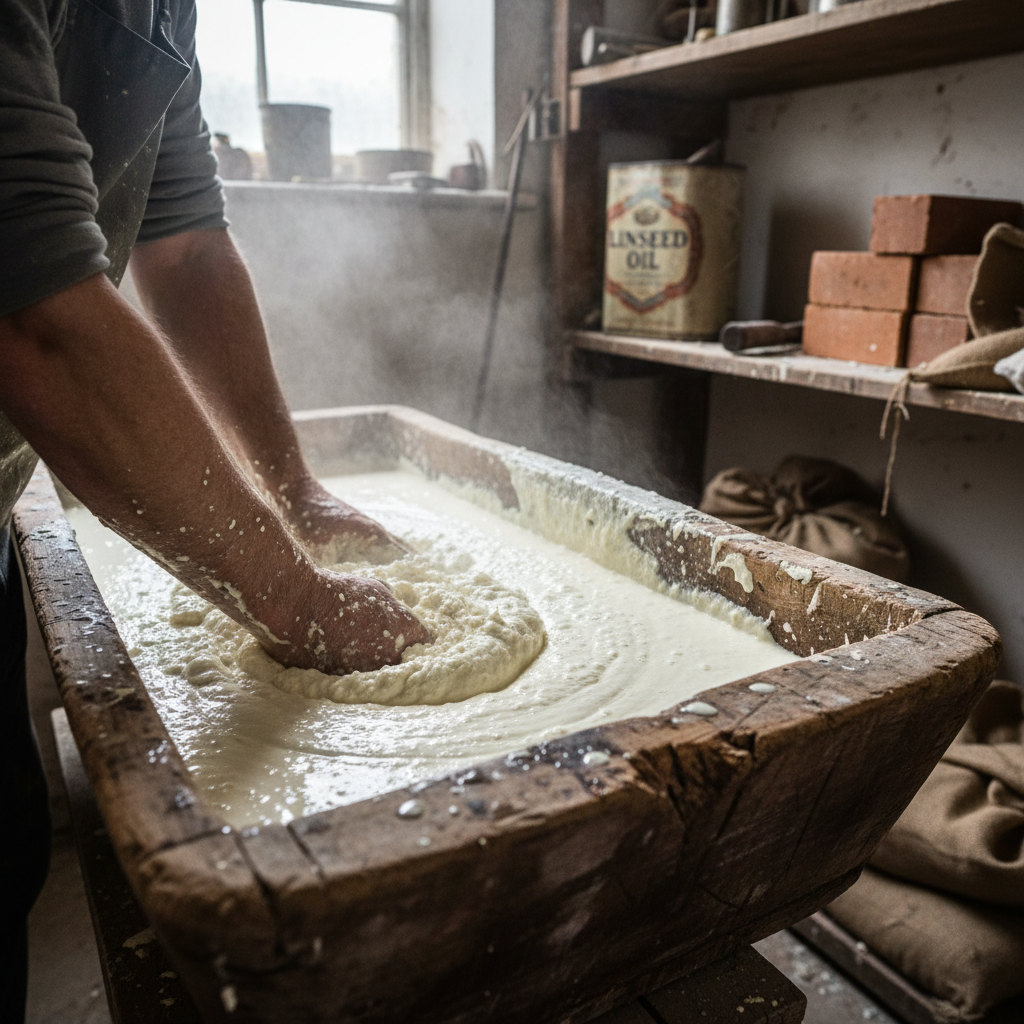
Craftsman mixing hot lime putty in traditional wooden trough, linseed oil tin visible on workshop shelf
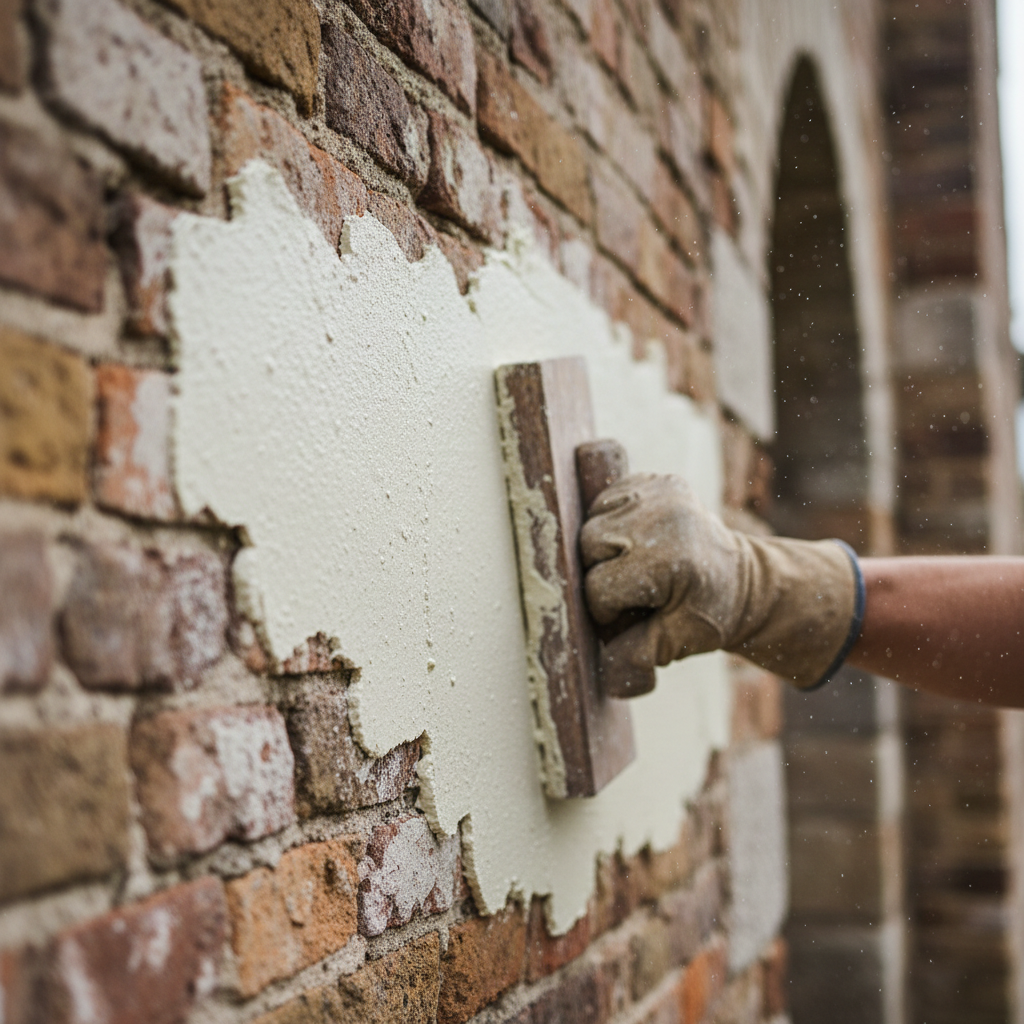
Detail of hand-thrown lime render being applied to historic brick wall with traditional float
Craft

The right material, sourced from the right place.

Lime mortar must breathe with the masonry it binds. Imported hydraulic lime will not serve a wall that has moved on hot lime for three hundred years. We specify by analysis, not by catalogue.

We maintain relationships with traditional material suppliers — lime burners, lead workers, crown glass fabricators — whose methods match the buildings we serve.

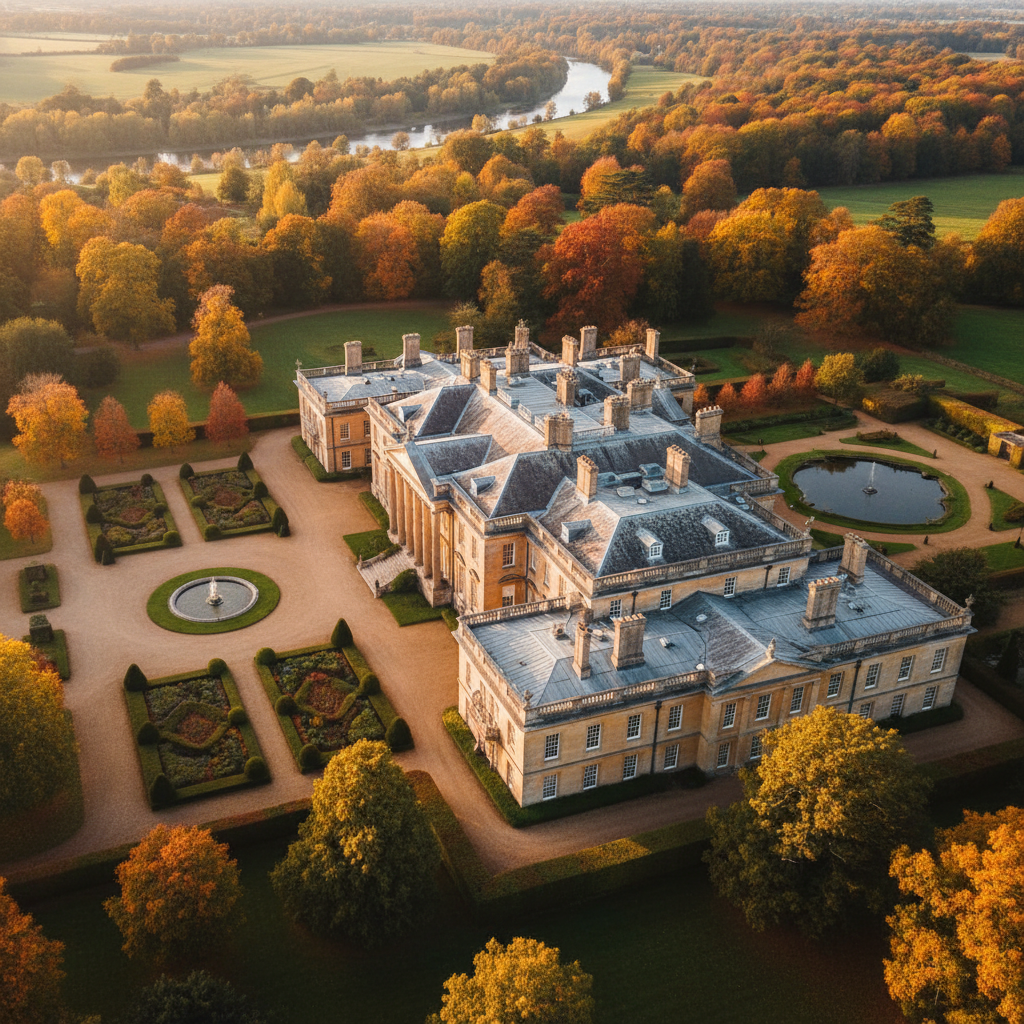
Aerial view of restored Georgian country house with repaired roofscape and formal gardens in autumn light
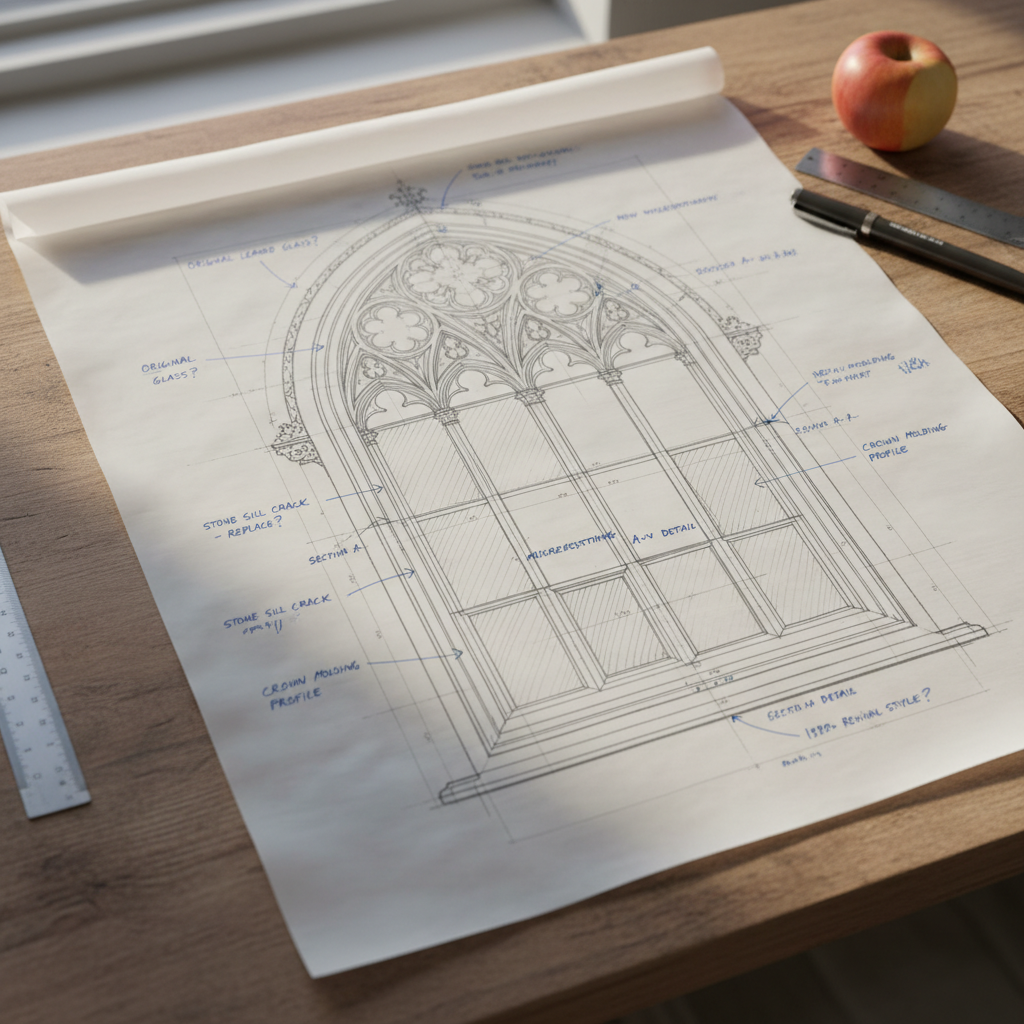
Measured drawing on tracing paper showing elevation detail of historic window with hand-written annotations
Stewardship

A repaired building needs a maintenance plan.

The most expensive repair is the one that becomes necessary because the previous repair was never followed. We write maintenance schedules alongside every Conservation Management Plan.

Our clients receive a 25-year phased programme: what to inspect, when to repoint, how to identify early warning signs before they become emergencies.

“We don’t restore buildings to how they looked. We restore them to how they worked.”

— Practice Principle, Conserve
Begin Here

Every project starts with
a conversation about the building.

Request a Condition Survey

Our surveyors visit your building, produce a written condition report, and recommend the most cost-effective sequence of repairs — typically within three weeks of enquiry.

We respond within two working days. No automated responses — a conservator reads every enquiry.

Listed Building Consent Guide

Free · 24-page PDF

Everything you need to understand before submitting a Listed Building Consent application — what triggers consent, how to write a heritage statement, and how to avoid the most common reasons for refusal.

  • What works require LBC (and what doesn't)
  • How to write a Heritage Statement
  • Pre-application consultation tips
  • Appeal routes if consent is refused
RIBA Chartered Practice
IHBC Member Practice
47 Grade I projects completed
100% LBC success rate (2019–2025)